
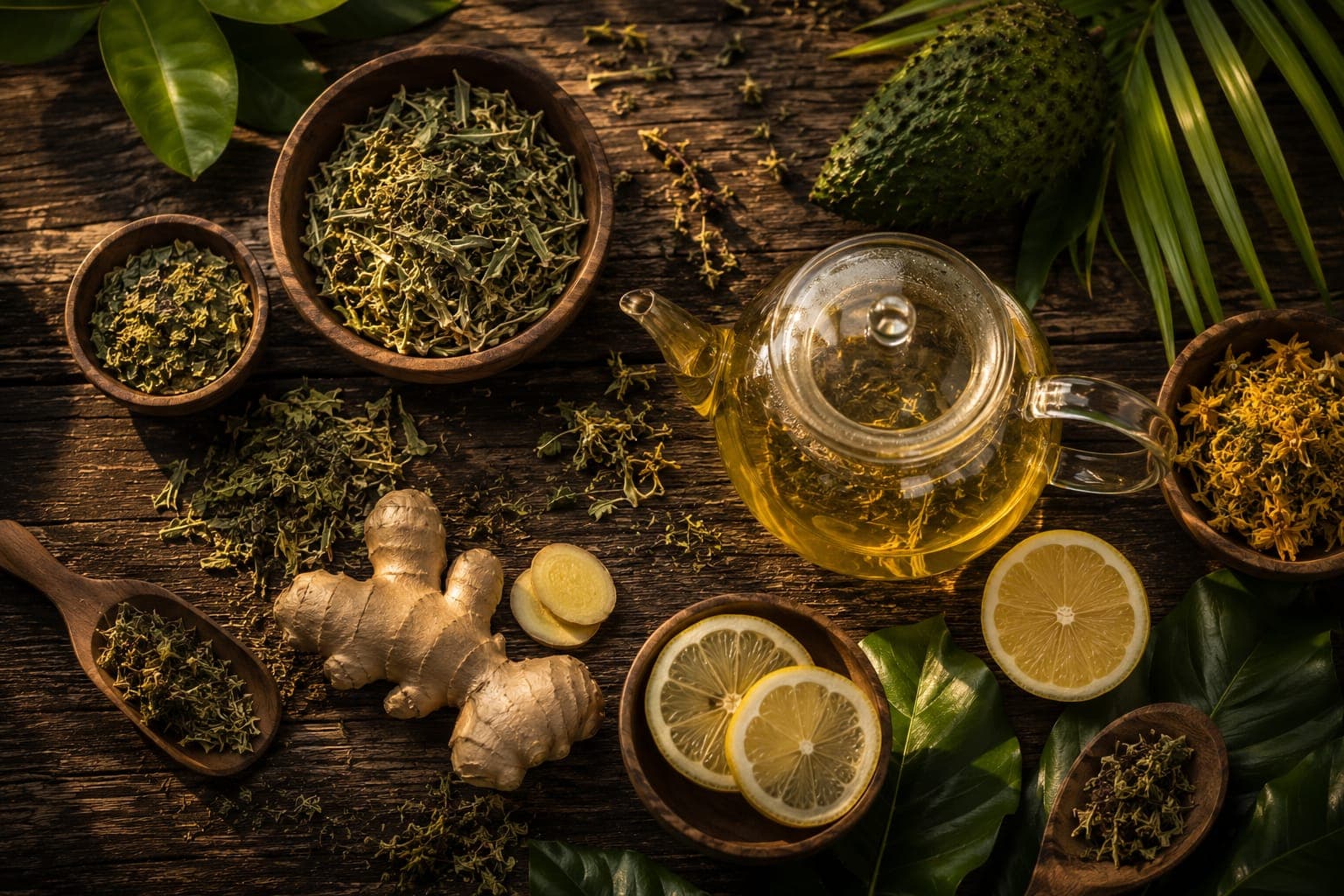
The Alkaline Healing Philosophy
The alkaline approach to health rests on a simple but powerful premise: the internal environment of the body — its pH, its mineral balance, its hydration — determines how well it can heal. When the body becomes overly acidic through poor diet, chronic stress, and lack of movement, it creates the conditions in which inflammation, fatigue, and chronic disease take hold.
This philosophy is rooted in Caribbean and African plant medicine traditions, practiced by naturopaths and traditional healers for generations. And the core nutritional science has significant backing: a diet high in alkaline-forming foods reduces chronic inflammation, which is at the root of most modern diseases.
The Core Concept: pH and Your Body
Your blood must maintain a slightly alkaline pH of 7.35–7.45. Your body works extraordinarily hard to maintain this range. When you eat acid-forming foods chronically, your body pulls alkaline minerals (calcium, magnesium, potassium) from your bones and tissues to buffer the acid — creating a slow drain on your mineral reserves.
The goal isn't to change your blood pH (your body does that automatically) — it's to reduce the acid load so your body doesn't have to fight to maintain balance.
Alkaline Foods (Emphasise These)
Vegetables
- Leafy greens: kale, callaloo, amaranth, watercress, dandelion greens
- Cucumber, zucchini, squash, bell peppers
- Mushrooms, onions, tomatoes
- Avocado (alkaline-forming despite being fatty)
Fruits
- Berries (all types), mangoes, papayas, soursop
- Figs, dates, prunes
- Apples, pears, grapes
- Key limes (not regular limes)
Grains
- Quinoa, amaranth, teff, fonio, wild rice
- Spelt (limited)
Nuts & Seeds
- Hemp seeds, sesame seeds, Brazil nuts, walnuts
Herbs & Spices
- All herbs are alkaline: burdock, dandelion, ginger, turmeric, cloves
Acid-Forming Foods (Reduce or Eliminate)
- All animal products (meat, fish, eggs, dairy)
- All hybrid foods: seedless fruits, certain cultivated vegetables
- Refined sugars and all artificial sweeteners
- Alcohol, coffee, carbonated drinks
- White flour and conventional wheat
- Processed and packaged foods
Starting Practically
Week 1: Add, don't subtract. Add one green smoothie daily. Add wild rice to your meals. Start taking Moringa powder.
Week 2: Start removing. Cut out fizzy drinks and bottled juices. Replace with herbal teas and spring water.
Week 3–4: The main shift. Reduce animal products to once daily. Replace conventional grains with quinoa, wild rice, or amaranth.
Month 2 onwards: Most people find this becomes natural. The cravings for sugar and processed food genuinely decrease as your gut bacteria adapt.
The Truth About Transitions
The first 2 weeks can be rough — headaches, fatigue, mood changes. This is normal. Your body is detoxifying. Push through it with extra water, herbal teas, and rest.
By week 3, most people report energy levels they haven't felt in years.